
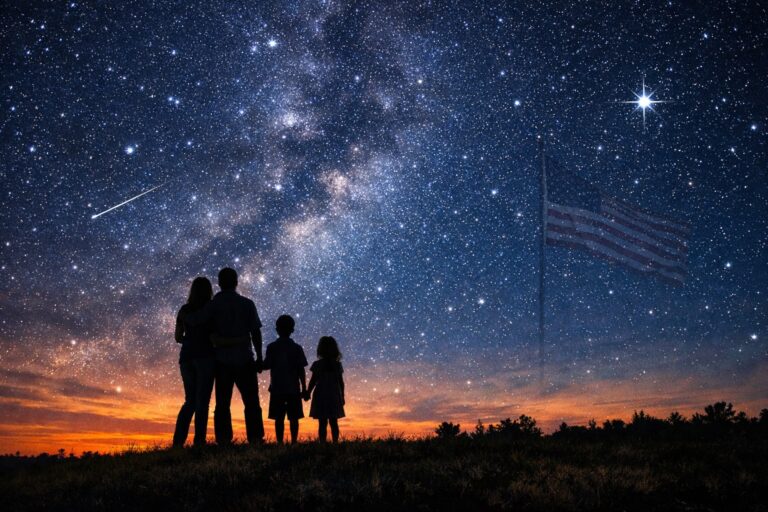
Every year as May draws to a close, Americans pause for a long weekend that carries both reflection and celebration. Memorial Day arrives at a beautiful time of year when the weather begins to warm and gardens are in bloom. Flags appear along streets and in cemeteries. Families gather for cookouts, picnics, and visits with loved ones. For many people, the day also feels like the unofficial start of summer.
Yet beneath the sunshine and gatherings lies a deeper purpose. Memorial Day is, at its heart, a day of remembrance. It is a time to honor America’s heroes, the men and women of the United States Armed Forces who gave their lives in service to the nation. The holiday blends solemn gratitude with family traditions, creating a day that is both reflective and hopeful.
The story of Memorial Day is rich and complex. It grew out of the difficult years following the Civil War and gradually evolved into a national day of remembrance. Over time, the holiday has come to hold many meanings for Americans. It honors fallen heroes, remembers loved ones who have passed away, and welcomes the beginning of summer.
Understanding the history of Memorial Day helps us appreciate why the day continues to matter.
The Origins After the Civil War
Memorial Day began in the years following the Civil War, one of the most devastating conflicts in American history. The war, which lasted from 1861 to 1865, resulted in more than 600,000 deaths. Communities across the country were left grieving for soldiers who never returned home.
In the years after the war, people began visiting cemeteries to decorate the graves of fallen soldiers with flowers and flags. These acts of remembrance were simple but powerful. Families and communities wanted to honor those who had sacrificed their lives.
Many towns across the country claim to have held some of the earliest memorial gatherings. In the late 1860s, these events became more organized. Communities gathered in cemeteries to place flowers on graves and to remember the soldiers who had died during the war.
These early gatherings were often called Decoration Day. The name came from the practice of decorating graves with flowers. The events usually took place in late spring, when flowers were abundant and the weather allowed people to gather outdoors.
One of the most widely recognized early observances occurred on May 30, 1868. On that day, General John A. Logan, who led a group of Union veterans known as the Grand Army of the Republic, called for a nationwide day of remembrance. Logan encouraged Americans to decorate the graves of fallen soldiers with flowers.
That first large observance took place at Arlington National Cemetery, where thousands of people gathered to honor the dead. Children and families placed flowers on graves while veterans gave speeches about the sacrifices made during the war.
This event helped establish Decoration Day as a national tradition.
A Day of Healing
In the years immediately after the Civil War, the nation was still deeply divided. Decoration Day provided an opportunity for communities to begin healing. Although the early observances primarily honored Union soldiers, similar traditions also developed in the South to remember Confederate soldiers.
Over time, the act of decorating graves became less about division and more about remembrance. Families who had lost loved ones found comfort in gathering together. Communities recognized that grief and sacrifice existed on all sides of the conflict.
As decades passed, the focus of the day slowly expanded. Americans began honoring soldiers who died in later conflicts, including the Spanish American War and World War I. The holiday gradually transformed from a Civil War remembrance into a broader tribute to all fallen service members.
The name Memorial Day began to replace Decoration Day during the early twentieth century. By the time the United States entered World War II, the term Memorial Day was widely used across the country.
Memorial Day Becomes a Federal Holiday
Memorial Day remained tied to the date of May 30 for many years. Communities across the nation held ceremonies, parades, and visits to cemeteries on that day. Schools often closed, and people gathered to remember those who had served.
In 1971, the United States government officially established Memorial Day as a federal holiday. The Uniform Monday Holiday Act moved the observance to the last Monday in May. The change created a three day weekend for many workers and allowed more families to travel and participate in commemorations.
While the date shifted slightly, the meaning of the holiday remained the same. Memorial Day continued to be a time to honor those who gave their lives while serving in the military.
Today, ceremonies are held across the country in national cemeteries, small town memorials, and community parks. Veterans, families, and local leaders gather to remember the fallen.
Traditions of Remembrance
One of the most recognizable Memorial Day traditions is the decoration of graves. Across the country, volunteers place American flags on the graves of fallen service members. National cemeteries are transformed into powerful displays of red, white, and blue.
These flags serve as quiet reminders of the individuals who once lived, served, and sacrificed. Families often visit cemeteries on Memorial Day weekend to leave flowers or small mementos beside the graves of loved ones.
Parades are another important tradition. Many towns host Memorial Day parades that include marching bands, veterans’ groups, and community organizations. The parades often conclude at a local memorial where speeches and moments of silence take place.
At 3:00 in the afternoon on Memorial Day, Americans are encouraged to observe the National Moment of Remembrance. During this time, people pause for a minute of silence to honor the fallen. The moment invites reflection on the sacrifices made by service members and their families.
These traditions create a shared sense of gratitude across the country.
The Role of Arlington National Cemetery
Arlington National Cemetery holds a special place in Memorial Day history. Located just outside Washington, D.C., it serves as the final resting place for many American service members and national figures.
Each year on Memorial Day, a formal ceremony takes place at the Tomb of the Unknown Soldier. The President of the United States or another national leader lays a wreath at the tomb as a sign of respect for unidentified soldiers who died in service.
The ceremony is both solemn and moving. Military honor guards stand watch over the tomb throughout the year, symbolizing the nation’s enduring respect for those who made the ultimate sacrifice.
Visitors often leave Arlington with a deeper appreciation for the human cost of war.
Remembering Loved Ones
While Memorial Day began as a military remembrance, many families also use the day to remember relatives who have passed away. Cemeteries often fill with visitors who come to clean headstones, place flowers, and share memories.
These quiet acts of remembrance are deeply personal. They allow families to reconnect with their history and honor the people who shaped their lives.
For some families, Memorial Day has become a day of storytelling. Parents and grandparents share memories about relatives who served in the military or lived through important moments in history. Younger generations learn about the courage and sacrifices of those who came before them.
Some families feel closer to a lost loved one when they view constellation overhead where the star they have named in memory is forever shining over them. Some of these summer constellations include Lyra, Cygnus, Aquila, Hercules, and Pegasus.
In this way, Memorial Day connects the past, with the present, with eternity.
The Start of Summer
Memorial Day also carries a lighter side that reflects the changing seasons. Because it falls at the end of May, the holiday weekend often marks the unofficial beginning of summer.
Pools open, beaches welcome visitors, and parks fill with families enjoying warm weather. Backyard cookouts and picnics become common traditions. Friends gather around grills while children play in the yard.
These joyful gatherings may seem very different from the solemn origins of the holiday, but they are part of the same story. The freedoms and peaceful moments Americans enjoy today were made possible by the sacrifices of those who served.
For many families, Memorial Day becomes a day that balances gratitude and celebration. People remember the past while embracing the present.
The Meaning of the American Flag
The American flag plays a central role in Memorial Day observances. Across the country, flags are displayed on homes, government buildings, and community spaces.
Traditionally, the flag is raised briskly to the top of the pole in the morning and then lowered to half staff until noon. At noon, the flag is raised again to full staff. This custom represents both mourning and hope.
The morning hours symbolize remembrance for those who died in service. The raising of the flag at noon represents the nation’s resolve to continue the ideals for which those soldiers fought.
It is a powerful visual expression of remembrance and unity.
Memorial Day in Communities Across America
Although national ceremonies receive much attention, some of the most meaningful Memorial Day observances occur in small towns and local communities.
In many places, volunteers spend the days before Memorial Day placing flags on graves. Scouts, veterans’ groups, and community organizations work together to ensure that every fallen soldier is remembered.
Churches often hold special services that include prayers for peace and remembrance of those who served. Schools sometimes teach students about the history of the holiday and the sacrifices made by service members.
These community traditions create a sense of connection that reaches beyond individual families.
Honoring Veterans and Active Service Members
While Memorial Day specifically honors those who died in service, the holiday also inspires appreciation for veterans and active military members. Many families use the day as an opportunity to thank those who have served.
Veterans often participate in parades or ceremonies, sharing stories and experiences that help younger generations understand the realities of military service.
These interactions help preserve the legacy of those who sacrificed their lives.
Reflection and Gratitude
Memorial Day invites Americans to reflect on the cost of freedom. The peaceful scenes of backyard gatherings and sunny afternoons exist because countless individuals chose to serve their country.
Taking a moment to remember those sacrifices can deepen the meaning of the holiday. It reminds us that the freedoms we enjoy were earned through courage and dedication.
At the same time, Memorial Day encourages gratitude for the lives we share with friends and family. The laughter around a picnic table and the joy of a summer afternoon are part of what those sacrifices protected.
A Day That Connects the Past and Present
Memorial Day continues to evolve as new generations add their own traditions. Yet its core purpose remains unchanged. It is a day to honor those who gave their lives in service to the United States.
It is also a day that brings families together, encourages reflection, and celebrates the arrival of summer. The holiday holds many meanings at once, which is part of what makes it so meaningful.
When Americans gather on Memorial Day, they participate in a tradition that began more than 150 years ago. They remember heroes, honor loved ones, and celebrate the freedoms that define the nation.
In the quiet moments of remembrance and the joyful gatherings that follow, the spirit of Memorial Day lives.
Please be advised that, despite our best efforts, International Star Registry – Name a star provides historical content for entertainment purposes. We cannot guarantee the accuracy of all information given.