
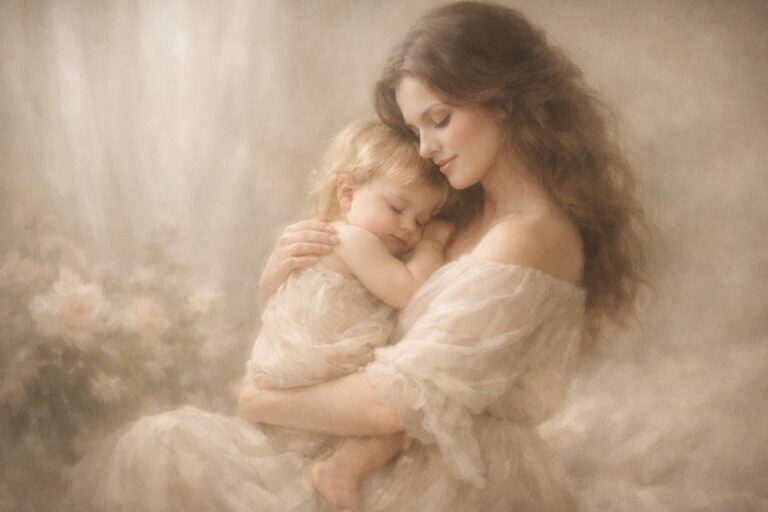
A Gentle Look at How We Celebrate Mothers
Every year, when spring is in full bloom, families across the United States pause to celebrate Mother’s Day. It is a day filled with flowers, cards, phone calls, and quiet moments of gratitude. Children draw pictures for their moms, adults visit or call their mothers, and families gather around tables to share meals and stories. In 2026, Mother’s Day in the United States will be celebrated on Sunday, May 10. While the modern holiday feels familiar, its roots stretch back through centuries of history, tradition, and cultural appreciation for motherhood.
Mother’s Day has grown into a beloved celebration, but it did not appear overnight. It evolved slowly through ancient traditions, social movements, and the dedication of individuals who believed mothers deserved recognition. Today, the holiday is celebrated in many different ways around the world, yet the spirit remains the same. People pause for a moment to say thank you to the women who have nurtured them, guided them, and cared for them throughout life.
Understanding the history of Mother’s Day reveals something beautiful about human culture. Across civilizations and centuries, societies have found ways to honor motherhood. The modern holiday may include brunch and bouquets, but the deeper idea behind it is timeless.
Early Traditions That Honored Mothers
Long before the modern holiday existed, cultures found ways to celebrate motherhood and maternal figures. In ancient civilizations, motherhood celebrations were often associated with life, fertility, and protection. These qualities were sometimes honored through festivals dedicated to mother goddesses.
In ancient Greece, for example, people held spring festivals to honor Rhea, who was considered the mother of many of the gods. These celebrations recognized the nurturing and life giving role that mothers represented in mythology and daily life. The Romans held similar celebrations for Cybele, another maternal goddess. These gatherings often took place in the spring, a time or rebirth when the natural world seemed to awaken again.
Springtime made sense for these celebrations. It was the season of renewal, growth, and new life. Plants emerged from the soil, animals gave birth to their young, and longer days brought warmth back to the land. The connection between motherhood and the season of spring felt natural to many cultures.
While these ancient festivals were not the same as modern Mother’s Day, they reveal something important. The idea of honoring mothers has deep roots in human history. People have long understood that mothers play a central role in families and communities.
Mothering Sunday in Europe
Another early influence on the modern Mother’s Day tradition appeared in Europe during the Middle Ages. In England, a day known as Mothering Sunday was observed during the Christian season of Lent. It was traditionally held on the fourth Sunday of Lent and had both religious and family significance.
On Mothering Sunday, people would return to their “mother church,” which was the main church in their region or the church where they were baptized. For many individuals who worked away from home, this day also became an opportunity to visit their families. Servants and apprentices often received time off so they could travel home and spend the day with their mothers.
These visits turned the day into a quiet celebration of family life. Children sometimes brought small gifts or flowers for their mothers. Special cakes were baked, and families shared meals together. One traditional dessert from this time was the Simnel cake, which was a fruit cake layered with marzipan.
Over time, Mothering Sunday gradually became more closely associated with honoring mothers rather than visiting churches. This transformation helped shape later traditions that would influence Mother’s Day celebrations around the world.
The Beginnings of Modern Mother’s Day in the United States
The modern American version of Mother’s Day emerged in the late nineteenth and early twentieth centuries. Its development was influenced by several women who believed that mothers deserved recognition for their dedication and sacrifices.
One early figure was Ann Reeves Jarvis, a community organizer in West Virginia. During the mid nineteenth century, she created groups called Mothers’ Day Work Clubs. These groups worked to improve sanitation and health conditions in their communities. They helped care for soldiers during the Civil War and promoted reconciliation between families on both sides of the conflict.
Ann Reeves Jarvis believed that mothers could play an important role in healing communities. Her work helped inspire the idea that motherhood deserved public recognition and appreciation.
After her death in 1905, her daughter Anna Jarvis began campaigning for a national holiday to honor mothers. Anna believed that mothers provided quiet and selfless contributions that often went unnoticed. She wanted a day that would encourage people to express gratitude and affection for their mothers.
Anna Jarvis organized the first official Mother’s Day celebration in 1908 at a church in Grafton, West Virginia. At the same time, a larger ceremony was held in Philadelphia, where she lived. These early events included church services and the distribution of white carnations, which Anna Jarvis selected as the symbol of the holiday. She chose the carnation because it represented purity, strength, and enduring love.
The idea quickly gained public support. Communities across the country began holding their own Mother’s Day celebrations. Churches, civic organizations, and local leaders recognized the emotional importance of honoring mothers.
Mother’s Day Becomes a National Holiday
The growing popularity of Mother’s Day eventually reached national attention. Anna Jarvis continued her campaign by writing letters to politicians, business leaders, and influential figures. She believed that a national holiday would encourage families everywhere to show appreciation for their mothers.
In 1914, President Woodrow Wilson officially proclaimed the second Sunday in May as Mother’s Day in the United States. The proclamation encouraged Americans to display the national flag in honor of mothers whose sons had died in war. It also invited citizens to express love and gratitude toward their mothers.
The new holiday quickly became part of American culture. Churches held special services, families gathered for meals, and children gave flowers and handwritten notes to their mothers. The tradition of wearing carnations continued, with white carnations honoring mothers who had passed away and colored carnations celebrating living mothers.
The day felt personal and meaningful. It was less about public celebration and more about quiet appreciation within families.
Anna Jarvis and Her Changing View of the Holiday
Interestingly, Anna Jarvis later became frustrated with how Mother’s Day developed. She believed the holiday was becoming too commercialized. Florists, card companies, and candy makers began promoting gifts and greeting cards, which she felt distracted from the holiday’s original purpose.
Anna Jarvis believed that the best way to celebrate Mother’s Day was through sincere expressions of love. She encouraged people to write personal letters to their mothers rather than purchasing printed cards. In her view, the holiday should focus on gratitude and reflection.
Despite her objections, commercial traditions continued to grow. Florists began selling large numbers of carnations and other flowers. Restaurants promoted special Mother’s Day meals. Greeting card companies introduced elaborate designs dedicated to mothers.
Even though the holiday evolved in ways Anna Jarvis did not intend, her original idea still resonates today. Many people continue to celebrate Mother’s Day through heartfelt gestures and personal expressions of appreciation.
Mother’s Day Traditions in the United States Today
Today, Mother’s Day in the United States is celebrated in many ways. Some families enjoy large gatherings, while others prefer quiet moments together. There is no single way to celebrate, which is part of the holiday’s charm.
Flowers remain one of the most popular gifts. Bouquets of roses, lilies, and carnations often appear on kitchen tables and windowsills. Many children create handmade cards, drawings, or crafts that become cherished keepsakes.
Some families make the giving of sentimental gifts an important part of their Mother’s Day celebration. This may include gifts from the local garden center, along with a day of planting and weeding. Other families may cook mom a special meal or host a family barbeque to welcom the warm whether. Many people give other gifts, like naming a star in the sky so their gift will shine on forever.
Brunch has become a beloved Mother’s Day tradition in many households. Restaurants often fill quickly as families gather for pancakes, pastries, and coffee. Others prefer cooking at home, preparing favorite dishes that their mothers enjoy.
Phone calls and video chats also play an important role. Families who live far apart still find ways to connect. A simple conversation can carry just as much meaning as a physical visit.
The holiday often becomes an opportunity for reflection. People remember the lessons their mothers taught them and the support they received during difficult times. Even small acts of kindness feel meaningful on this day.
How Other Cultures Celebrate Mothers
While Mother’s Day in the United States falls in May, many countries celebrate mothers on different dates and in unique ways. The idea of honoring mothers is nearly universal, but the traditions vary widely.
In the United Kingdom, Mothering Sunday continues to be celebrated during Lent. Families gather for meals, and children often present flowers or small gifts to their mothers. Churches still hold special services that reflect the holiday’s religious roots.
In Mexico, Mother’s Day is celebrated on May 10 each year. The day often begins with music and singing. Families may gather outside their mothers’ homes to perform songs of appreciation. Restaurants and homes fill with festive meals, and mothers are surrounded by children, grandchildren, and extended family members.
In Japan, Mother’s Day is also celebrated in May. Children often give red carnations, which symbolize love and gratitude. Schools sometimes encourage students to draw pictures of their mothers or write letters expressing appreciation.
In Ethiopia, mothers are honored during a multi day celebration called Antrosht. Families gather at the end of the rainy season to share meals and songs. Children bring ingredients that are used to prepare traditional dishes, and the celebration emphasizes unity and family bonds.
In Thailand, Mother’s Day is celebrated on August 12, which is the birthday of Queen Sirikit. The holiday combines national pride with recognition of mothers. Jasmine flowers are commonly given as gifts, representing purity and gentle love.
These examples show how different cultures express appreciation for mothers in their own ways. Some celebrations involve music and festivals, while others focus on quiet family gatherings. The underlying message remains the same. Mothers are valued, respected, and loved.
Why Honoring Mothers Matters
Motherhood carries many responsibilities. Mothers often provide care, guidance, patience, and encouragement throughout their children’s lives. They help shape the values and character of the next generation.
Recognizing these contributions strengthens family relationships. A simple thank you can carry deep meaning. When families set aside time to appreciate mothers, it reinforces the bonds that hold communities together.
Mother’s Day also encourages reflection on the many forms that motherhood can take. Some mothers raise children within traditional families, while others serve as adoptive parents, stepmothers, grandmothers, or mentors. Many people recognize mother figures who have played important roles in their lives.
The holiday reminds us that love and care often come from many directions. Celebrating those relationships helps nurture gratitude and empathy.
The Gentle Meaning of Mother’s Day
Despite its commercial side, Mother’s Day continues to hold a simple and sincere meaning for many families. It is not about extravagant gifts or perfect celebrations. Instead, it is about recognizing love that has been present all along.
A handwritten note, a shared meal, or a warm conversation can express appreciation in powerful ways. Mothers often treasure these moments far more than any material gift.
The holiday also encourages people to slow down and reflect. Life can move quickly, and gratitude is sometimes left unspoken. Mother’s Day provides a reminder to say the things that matter.
Looking Ahead to Mother’s Day 2026
As Mother’s Day approaches in May 2026, families across the United States will once again find their own ways to celebrate. Some will gather around busy tables filled with food and laughter. Others will send messages across long distances. Many will simply spend time together, enjoying the presence of the women who helped shape their lives.
Around the world, people will do the same in their own traditions and languages. Whether the celebration includes flowers, music, or quiet reflection, the intention remains universal.
Mother’s Day is ultimately about gratitude. It is a moment to recognize patience, kindness, and unwavering support. It is a chance to say thank you to the women who helped guide us through childhood and beyond.
As spring unfolds and families gather once again, the spirit of Mother’s Day continues a tradition that stretches back through centuries. It reminds us that honoring mothers is not just a holiday. It is a reflection of something deeply human, a recognition of love that shapes every generation.
Please be advised that, despite our best efforts, International Star Registry – Name a star provides cultural and historical content for entertainment purposes. We cannot guarantee the accuracy of all information given.