
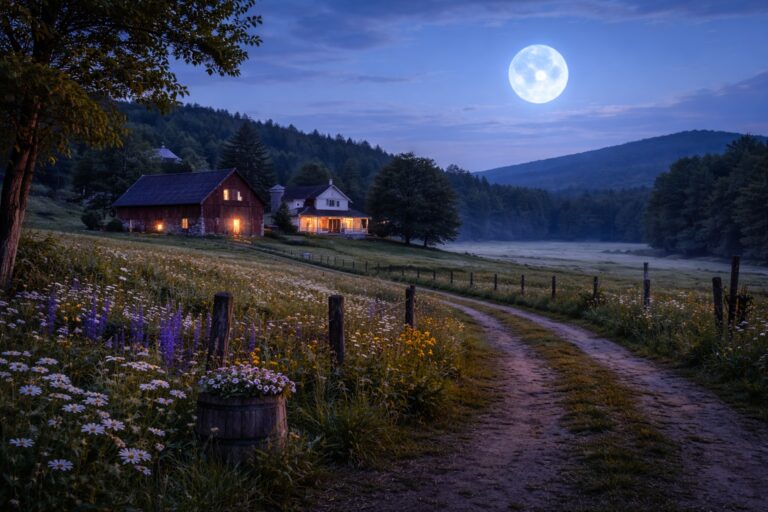
May 31, 2026: The Last Calendar Blue Moon before December 2028.
On May 31, 2026, the Moon reaches full phase at 08:46 UTC. At that exact moment, the full Moon will be positioned on the opposite side of Earth from the Sun. Its near side will be completely illuminated by sunlight. This alignment creates the familiar bright, round disk we call a full Moon.
This particular full Moon carries special calendar significance. It is the second full Moon in the month of May 2026. Because of that, it is known as a Blue Moon. Despite the name, it will not appear blue in color. The term Blue Moon refers to its timing within the calendar rather than its appearance.
The May 31 Blue Moon is the only monthly Blue Moon of 2026. After this event, there will not be another monthly Blue Moon until December 2028. That gap helps explain why the phrase once in a blue moon came to describe something uncommon.
Understanding the Astronomy of the May 31, 2026 Full Moon
A full Moon occurs when the Sun, Earth, and Moon form a straight or nearly straight line in space. Earth lies between the Sun and the Moon. Sunlight fully illuminates the hemisphere of the Moon that faces Earth. Astronomers refer to this alignment as opposition.
The full phase on May 31, 2026 occurs at 08:46 UTC. In North America, this corresponds to very early morning hours in many time zones. Even though the exact moment of full phase happens during daylight for much of the continent, the Moon will appear full on the nights of May 30 and May 31.
During a full Moon, the Moon rises near sunset and sets near sunrise. It reaches its highest point in the sky around local midnight. This predictable timing makes the full Moon easy to observe without special equipment.
The May 31 full Moon falls within normal distance variation from Earth. It is not classified as a supermoon. Its brightness, however, will still dominate the night sky.
What Is a Monthly Blue Moon
A monthly Blue Moon occurs when two full Moons fall within the same calendar month. Since the lunar cycle lasts about 29.5 days and most calendar months are 30 or 31 days long, this situation occasionally happens.
May 2026 contains a full Moon on May 1 and another on May 31. The second full Moon of the month earns the Blue Moon title. This definition is based on the modern calendar.
The May 31 Blue Moon is a monthly Blue Moon. It is not a seasonal Blue Moon. A seasonal Blue Moon refers to the third full Moon in a season that contains four full Moons. In this case, the label comes strictly from the calendar month.
There will not be another monthly Blue Moon until December 2028. That makes this event relatively uncommon, though not rare on a cosmic scale.
Why It Is Called a Blue Moon
The phrase Blue Moon has been part of English language folklore for centuries. The modern monthly definition became widely accepted in the twentieth century after it was popularized in publications and media.
The Moon itself does not turn blue during a Blue Moon. Under very rare atmospheric conditions, such as after volcanic eruptions or major forest fires, the Moon can appear bluish. Those cases are caused by particles in the atmosphere that scatter red light and allow blue wavelengths to pass through. However, this is unrelated to the Blue Moon calendar definition.
For the May 31, 2026 Blue Moon, observers should expect the Moon to appear its usual bright white or pale ivory color.
The Cultural Meaning of a Blue Moon
Although the Blue Moon is primarily a calendar phenomenon, it has taken on cultural meaning. The phrase once in a blue moon suggests something that does not happen often. This reflects the fact that monthly Blue Moons occur only every few years.
The Blue Moon can also symbolize rarity and special moments. Many people mark it as a time to reflect or celebrate because it feels unusual. Even though it is not astronomically different from other full Moons, its timing gives it a sense of novelty.
Across cultures, full Moons have always been used to mark time. A second full Moon within one month stands out against the normal rhythm.
The May Sky and Seasonal Context
The Blue Moon of May 31 arrives at the edge of spring moving toward summer in the Northern Hemisphere. By late May, daylight hours are long. Evenings are warm in many regions. Gardens and fields are growing quickly.
This full Moon rises over landscapes that are lush and green. Spring flowers are still blooming, though some early blossoms may be fading. Crops are sprouting. Wildlife is active.
The night sky reflects this seasonal transition. Winter constellations have mostly set. Spring constellations dominate. Summer constellations begin rising earlier each night.
The Blue Moon does not change the sky itself. However, its timing near the end of May gives it a distinct seasonal atmosphere.
Viewing the Blue Moon in North America
Because the exact full phase occurs at 08:46 UTC, North American observers will see the Moon appear full during the late evening of May 30 and the night of May 30 into May 31.
The Moon will rise in the east near sunset on May 30 local time. It will appear large and golden at moonrise due to atmospheric scattering. As it climbs higher, it will brighten and lose its warm tones.
By midnight, the Moon will sit high in the sky. It will cast strong shadows and illuminate the surrounding landscape.
What to Expect in the Western United States
In the western United States, the Moon will rise on the evening of May 30 and remain visible through the night. Clear skies are common in many western regions during late May. Desert and mountain areas may offer particularly crisp views.
The Moon’s brightness may reveal subtle surface details to the naked eye. Binoculars will enhance the view and make darker maria stand out clearly.
The evening air is often comfortable by late May. This makes extended viewing enjoyable.
What to Expect in the Midwest
In the Midwest, late May weather can vary. Some nights are warm and clear. Others may bring clouds or storms. When skies are clear, the Blue Moon will shine brightly over farmland and growing crops.
Humidity levels may be higher than in western regions. This can produce a slight glow around the Moon. The effect can soften its edges but does not reduce its brilliance.
The Moon reaches its highest point around local midnight and remains visible until sunrise.
What to Expect on the East Coast
On the East Coast, the Blue Moon rises in the eastern sky shortly after sunset on May 30. Urban observers will see it above skylines and city lights. Despite light pollution, the full Moon remains easy to see.
Coastal regions may experience haze or humidity. This can create a halo effect if thin high clouds are present.
As the night progresses, the Moon climbs into the southern sky. It sets in the west near sunrise on May 31.
Constellations Visible During the Blue Moon
Even though the full Moon brightens the sky, several bright constellations remain visible in late May.
Leo still appears in the western sky during evening hours. Virgo stands prominently in the south, with its bright star Spica. Boötes rises higher, marked by the orange star Arcturus.
Later in the night, summer constellations such as Scorpius and Sagittarius begin rising in the southeast. The Blue Moon may appear near these constellations depending on its position along the ecliptic.
Faint galaxies and nebulae are difficult to observe during a full Moon. However, bright stars remain visible.
The Moon’s Surface at Full Phase
During full illumination, large dark plains called maria are clearly visible. These areas were formed by ancient volcanic activity billions of years ago.
Mare Imbrium and Mare Serenitatis stand out prominently. Mare Tranquillitatis is also easy to identify. Because sunlight strikes the Moon directly, crater shadows are minimal.
This direct lighting creates a flat appearance compared to crescent or quarter phases. Binoculars reveal subtle variations in brightness and color across the surface.
Blue Moon Versus Seasonal Blue Moon
It is important to distinguish between a monthly Blue Moon and a seasonal Blue Moon. A monthly Blue Moon is the second full Moon within a single calendar month. A seasonal Blue Moon occurs when a season contains four full Moons, and the third of those is labeled Blue.
The May 31, 2026 event is a monthly Blue Moon. It is not tied to the seasonal definition. Seasonal Blue Moons follow a different pattern based on the timing of equinoxes and solstices.
Understanding this distinction helps avoid confusion. Both types are calendar based rather than visual phenomena.
The Rarity of the 2026 Blue Moon
Monthly Blue Moons occur about once every two to three years. They are not extremely rare, but they are uncommon enough to feel special.
After May 31, 2026, the next monthly Blue Moon will not occur until December 2028. That two and a half year gap reinforces the sense of rarity.
The phrase once in a blue moon captures that feeling. It suggests an event that does not happen often.
Photography and Observation Tips
Photographing a Blue Moon requires the same approach as photographing any full Moon. The Moon is bright, so exposure settings should be adjusted accordingly.
Using a tripod improves image clarity. Including foreground elements such as trees, buildings, or landscapes adds depth to the composition.
The most dramatic photographs often occur at moonrise or moonset. During these times, the Moon appears larger and warmer in color.
Observers should take time to let their eyes adjust to outdoor lighting. Although the Moon is bright, surrounding stars become more visible after several minutes outside.
Why the Blue Moon Feels Different
The Blue Moon feels different because of its calendar context. Seeing two full Moons within one month creates a break in the usual rhythm. It reminds observers that lunar cycles do not align perfectly with human calendars.
The May 31 Blue Moon arrives at the edge of summer. It shines over landscapes filled with life and activity. Its brightness may illuminate late spring gatherings and outdoor evenings.
Even though its appearance matches any other full Moon, its timing sets it apart.
Get ready for a Rare Calendar Highlight
The Full Moon of May 31, 2026 occurs at 08:46 UTC when the Moon stands opposite the Sun and its face is fully illuminated. It is the second full Moon in May, making it a monthly Blue Moon. It will not appear blue in color. The name refers to its calendar position.
This is the only monthly Blue Moon of 2026. There will not be another monthly Blue Moon until December 2028. While not astronomically unique in appearance, it is special in timing.
For observers across North America, the Blue Moon offers a bright and memorable presence in the late May sky. It rises at sunset, shines through the night, and sets at sunrise. It marks the steady rhythm of lunar cycles and the subtle ways they intersect with our calendar.
Looking up at the Blue Moon connects us to generations who have tracked time by the sky. Even when the Moon appears ordinary in color, its timing can make it extraordinary in meaning.
Please be advised that, despite our best efforts, International Star Registry – Name a star provides astronomical content for entertainment purposes. We cannot guarantee the accuracy of all information given.