Astronomy

International Star Registry’s astronomy page explores the fascinating nature of celestial objects and the constantly evolving science of stars and stellar exploration. From locating stars to predicting meteor showers, the stages of the moon, and the position of planets, the nature of asteroids and galaxies, and beyond. Follow here to see more.

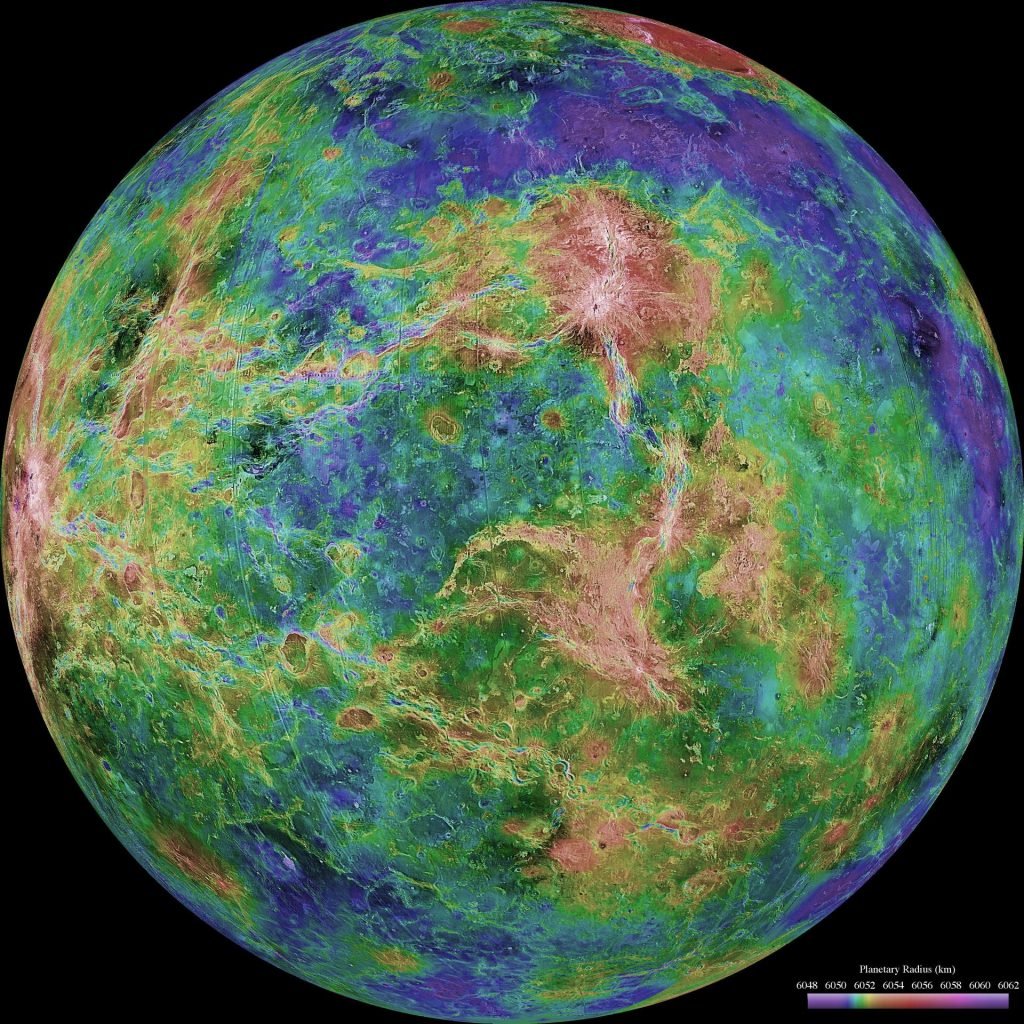
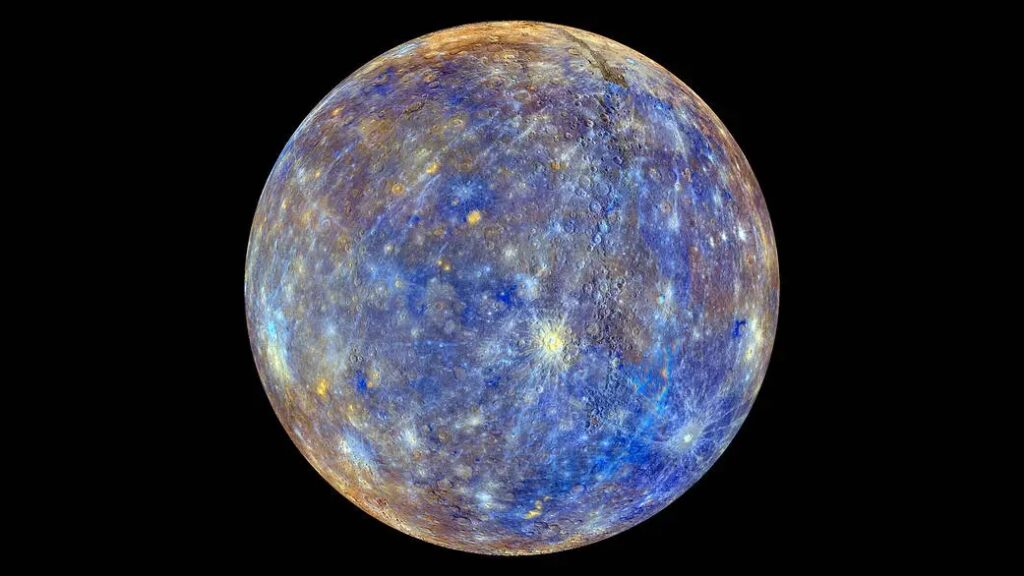
NASA image - This colorful view of Mercury was produced by using images from the color base map imaging campaign during MESSENGER’s primary mission. These colors are not what Mercury would look like to the human eye, but rather the colors enhance the chemical, mineralogical, and physical differences between the rocks that make up Mercury’s surface.Image Credit: NASA/Johns Hopkins University Applied Physics Laboratory/Carnegie Institution of Washington

Your Best View of Mercury in 2026 is a Double Celestial Treat

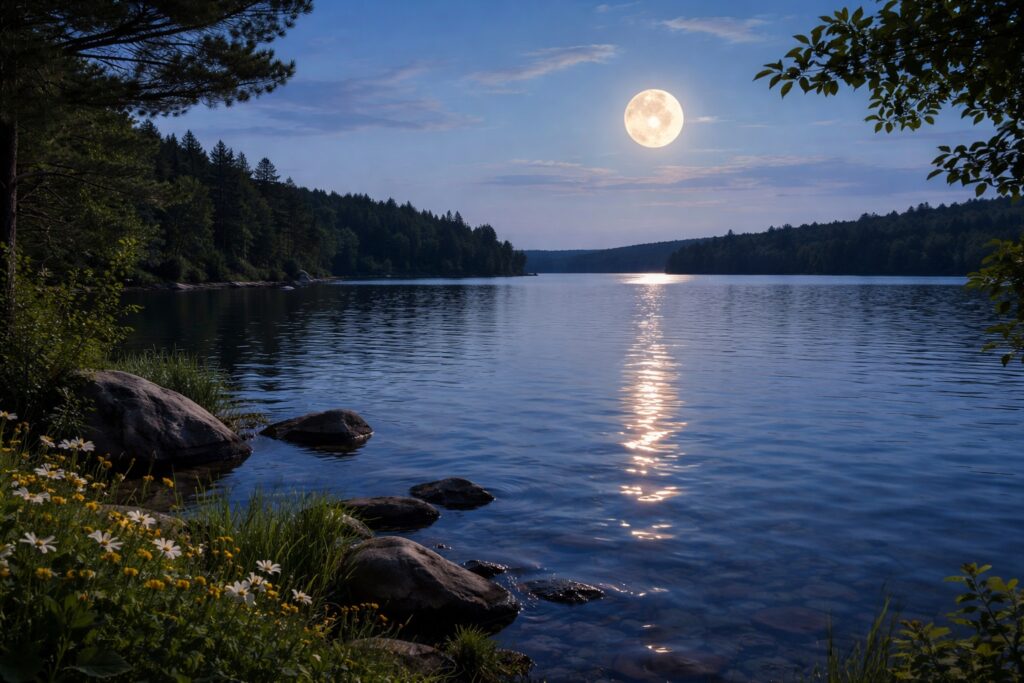
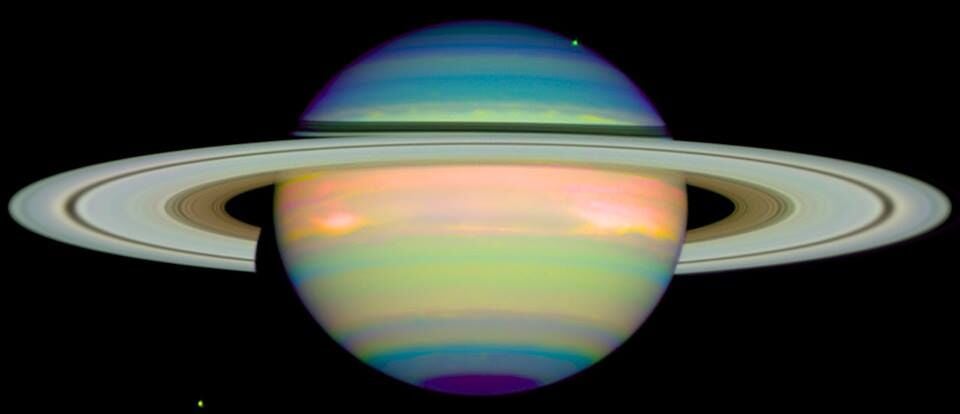
Mercury and Saturn with the Crescent Moon: A Rare Double Event in the Evening Sky February 19, 2026, brings skywatchers a rare double celestial treat. On this remarkable evening, Mercury reaches its greatest eastern elongation, standing 18 degrees from the Sun, while a delicate crescent Moon passes near Saturn in the twilight sky. One event

Your Best View of Mercury in 2026 is a Double Celestial Treat Read More »

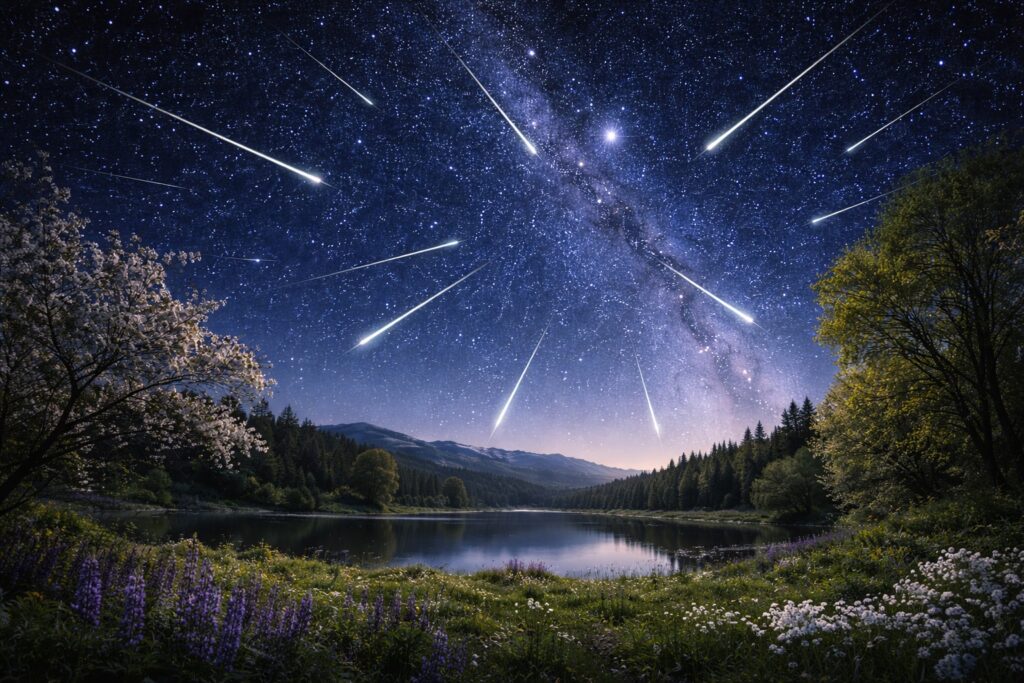
Meteors from the Leonids meteor shower streak across a November sky. Below is an autumn tree and a peaceful body of water. There are mountains in the background.

Another Reason to be Thankful, The Leonids Meteor Shower

A Dazzling November Sky Show Each November, the heavens light up with another stunniing annual meteor shower, the Leonids. Known for their speed, brightness, and spectacular historical storms, the Leonids are scientifically fascinating and great fun to watch with the family. This year, 2025, promises to be an excellent year for observing them. The Leonids

Another Reason to be Thankful, The Leonids Meteor Shower Read More »

Shopping Cart